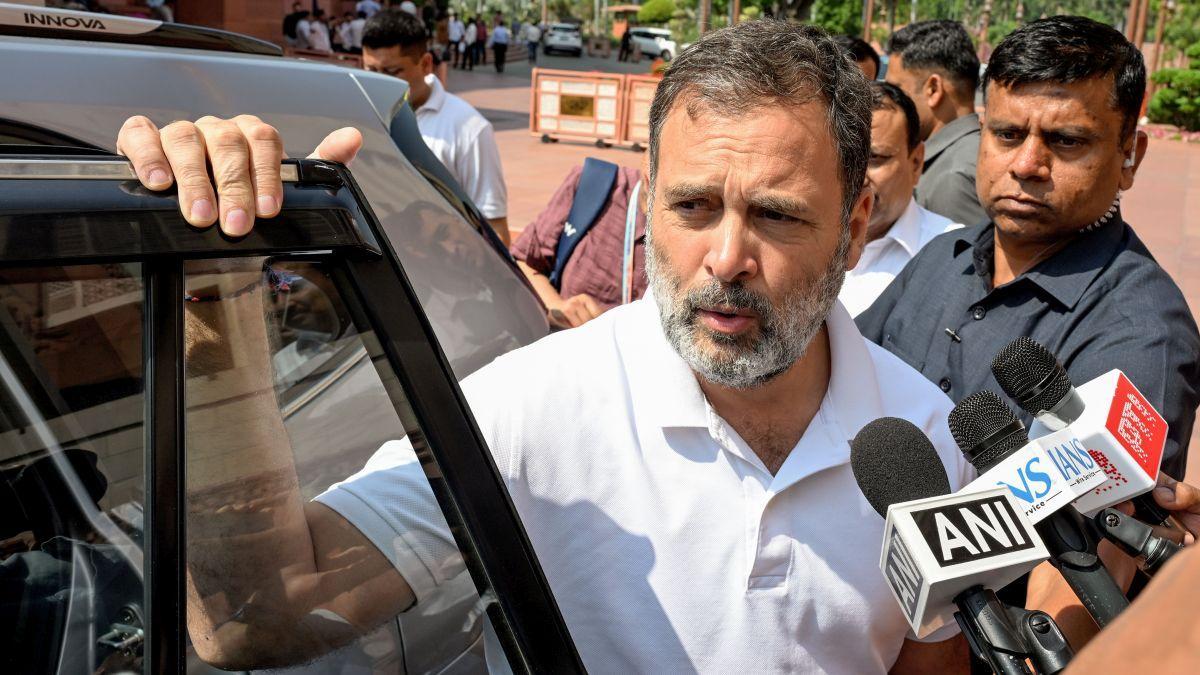
New Delhi, October 9, 2026: Congress MP Karti Chidambaram has said Rahul Gandhi’s recent response to Elon Musk was intended as a sarcastic comment on the growing concentration of corporate power in India, rather than an endorsement of the SpaceX CEO or his business interests.
Speaking to Storyvilla on Friday, Chidambaram said Gandhi’s remarks carried a subtle political message about monopolies, duopolies and the influence of major business groups on government policymaking.
According to Chidambaram, the intended meaning of Gandhi’s comment had been overlooked by many people because of its sarcastic tone.
Rahul Gandhi’s Reply to Elon Musk Sparks Debate
The controversy follows an online exchange between Rahul Gandhi, the Leader of Opposition in the Lok Sabha, and Elon Musk, CEO of SpaceX.
Musk had described the situation surrounding Starlink’s efforts to enter the Indian market as “troubling,” claiming that the satellite internet company had been unable to obtain a licence despite complying with Indian laws and requirements for five years.
Responding to Musk’s post on X, Gandhi wrote, “Welcome to India, Elon. Wait till you discover the other guy.”
Musk subsequently replied, “Thank you, Rahul. This is indeed troubling.”
The exchange has drawn political attention to the regulatory process for Starlink’s proposed entry into India and raised questions about competition and the influence of established business interests.
Karti Chidambaram Explains Gandhi’s Sarcastic Message
Explaining Gandhi’s response, Chidambaram said the Congress leader was alluding to another prominent Indian business group that, in his view, exercises considerable influence over government policy.
He argued that Gandhi’s remark was intended to highlight concerns about the concentration of economic power and the role of large corporate entities in shaping the country’s business environment.
Chidambaram clarified that the Congress party’s position should not be interpreted as an endorsement of Musk, Starlink or the company’s specific grievances with Indian regulators.
Instead, he said, the broader concern was whether excessive market concentration was creating an uneven playing field for businesses operating in India.
Congress MP Raises Concerns Over Monopolies and Duopolies
Chidambaram warned that the growing presence of monopolies and duopolies across several sectors could have negative consequences for Indian businesses and market competition.
He argued that an economy dominated by a small number of powerful companies could limit opportunities for other businesses and raise concerns about fair competition.
The Congress MP also questioned the assumption that the nationality of a business group necessarily reflects the origin of all its capital. He noted that large conglomerates may access international financing and have complex ownership structures.
His remarks added another dimension to the political debate over corporate concentration, competition and the relationship between big business and government policy.
Government’s Position on Starlink Licensing
The debate has also brought renewed attention to India’s regulatory framework for satellite communication services.
According to the report, the Ministry of Communications has maintained that the country’s policies governing satellite communications are fair and non-discriminatory.
The Starlink licensing issue remains central to the wider discussion about market access, regulatory requirements and competition in India’s expanding satellite internet sector.
Why the Starlink Issue Has Become a Political Flashpoint
The exchange between Musk and Gandhi has brought together several major issues, including satellite internet licensing, competition in the Indian market and allegations concerning the influence of large business groups.
While Musk’s comments focused on Starlink’s regulatory challenges, Gandhi’s response prompted a broader political discussion about corporate power in India.
Chidambaram’s remarks underline the Congress party’s stated concern about market concentration, while the government’s position, as reported, is that India’s satellite communications policies follow a fair and non-discriminatory regulatory framework.
The issue is likely to remain part of the wider debate over competition, corporate influence and the future of satellite-based internet services in India.